
Why a Structured Jiu-Jitsu Curriculum Matters for Real Progress
July 7, 2026
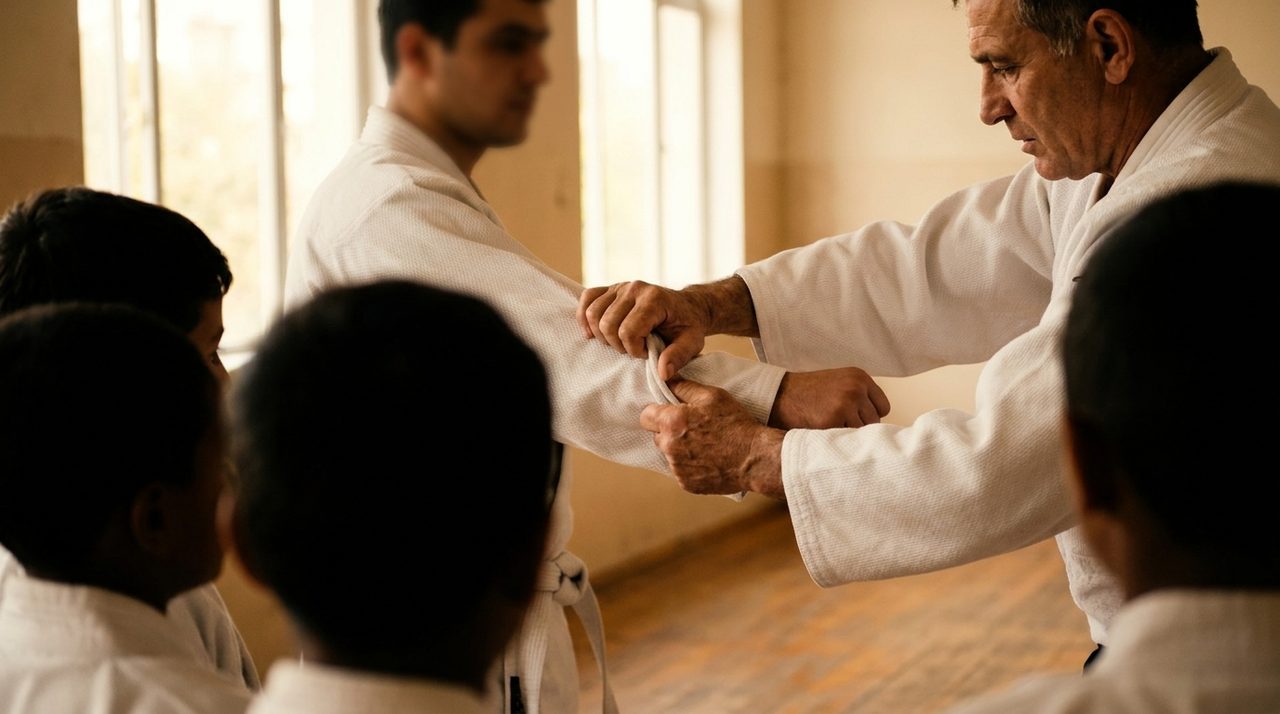
Not all Jiu-Jitsu programs are built the same. Some run classes that feel like a random collection of techniques, where students show up, drill whatever is on the board that day, and never quite know where they stand. That approach can be fun, but it makes real progress hard to see and easy to stall. A structured curriculum solves that, and it is the reason families and adult students in Indio stick with Flow Academy for the long run.
Structure means every class fits into a bigger plan. At Flow Academy Indio, training follows clear principles: position before submission, concept before technique, drilling with purpose, and progress without ego. Those ideas are not slogans on a wall. They shape what gets taught, in what order, and why. A student learns posture and control before chasing flashy finishes, and understands the reason behind a movement instead of memorizing it in isolation.
A roadmap you can actually see
The clearest benefit of structure is direction. Our kids path moves through defined stages by age, and our adult belt path runs from white through black, each belt carrying its own standard and focus. Promotions are tied to four things: technical demonstration, class behavior and composure, consistent mat time, and visible earned progress. Because the standards are clear, students and parents always know what the next step looks like and what it takes to get there.
Why it keeps people training
Progress you can measure is motivating. When a student can feel the difference between where they were three months ago and where they are now, they keep showing up. That is true for a nine-year-old earning a stripe and for a forty-year-old finally connecting their escapes into a real game. Structure also protects beginners, because coaches know exactly where each student is and can keep training safe and appropriate rather than overwhelming. If you would like to see the curriculum in practice, book a free class.
Structure is not the same as rigidity
A common worry is that a set curriculum makes classes feel like school, all rules and no fun. The opposite is true when it is done right. Because coaches are not scrambling to invent each class, they have room to answer questions, adjust for the students in the room, and let a good roll breathe. Concept before technique means students actually understand what they are doing, which makes training more creative, not less. And progress without ego keeps the room welcoming, so a white belt and a brown belt can drill together and both walk away better.
A good curriculum does not remove the joy of Jiu-Jitsu. It gives that joy a direction. Students still roll, still problem-solve, still surprise themselves. They just do it inside a system that respects their time and rewards their consistency.
If you want to see exactly how the pieces fit together, our curriculum page lays out the philosophy, the kids path, the adult belt path, and the promotion standards in full.
Come and see a class